Bernedoodle Breed Guide
The Ultimate Bernedoodle Knowledge Hub
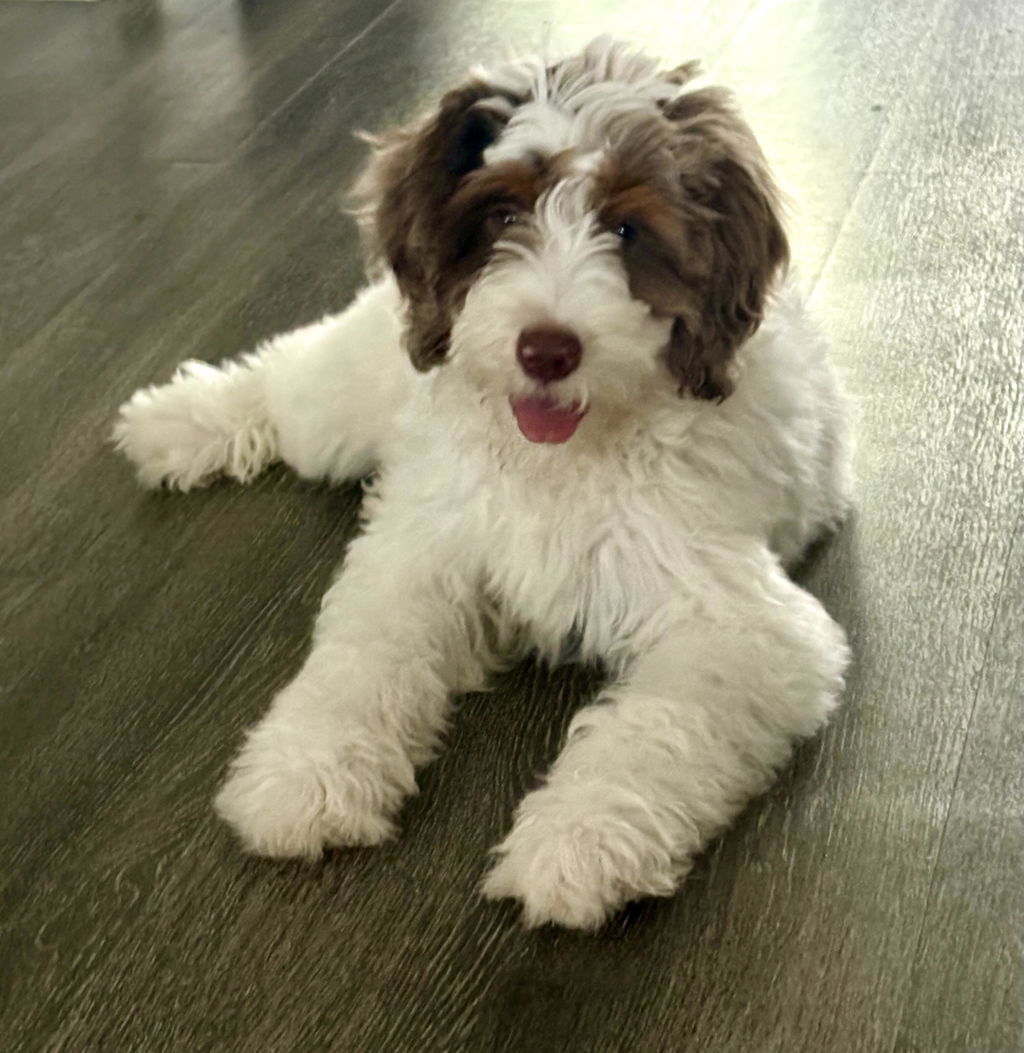
What is a Bernedoodle? A Bernedoodle is a stunning designer crossbreed created by combining a Bernese Mountain Dog with a Poodle. This pairing brings together the Bernese's calm, loyal, and affectionate temperament with the Poodle's intelligence and low-shedding coat, creating one of the most beloved doodle breeds.
Why Grooming Matters: Bernedoodles have luxurious, tri-colored coats that require dedicated care to maintain their beauty and prevent matting. Their unique coat characteristics vary based on generation and type, making proper grooming essential for their health, comfort, and that signature teddy bear appearance.
Bernedoodle Size Guide
Unlike many doodle breeds, Bernedoodles come in three distinct size categories, each with unique grooming considerations and care requirements.
| Size Type | Height | Weight | Grooming Time | Best For |
|---|---|---|---|---|
| Standard Bernedoodle | 23-29 inches | 70-90 lbs | 90-120 minutes | Families with space, active lifestyles, experienced owners |
| Mini Bernedoodle | 18-22 inches | 25-49 lbs | 60-90 minutes | Apartment living, first-time owners, moderate activity |
| Tiny Bernedoodle | 12-17 inches | 10-24 lbs | 45-60 minutes | Small spaces, seniors, less active households |
Generation Types Overview
Understanding your Bernedoodle's generation helps predict coat characteristics, shedding levels, and grooming intensity. Each generation has a different genetic makeup that directly impacts daily care requirements.
| Generation | Parentage | Poodle % | Coat Type | Shedding | Best For |
|---|---|---|---|---|---|
| F1 Bernedoodle | Bernese Mountain Dog × Poodle | 50% | Wavy (most common) | Moderate | First-time owners seeking balanced traits |
| F1B Bernedoodle | F1 Bernedoodle × Poodle | 75% | Curly or Wavy | Low | Allergy sufferers, low-shedding preference |
| F1BB Bernedoodle | F1B Bernedoodle × Poodle | 87.5% | Curly | Very Low | Severe allergies, minimal shedding required |
| F2 Bernedoodle | F1 Bernedoodle × F1 Bernedoodle | 50% | Variable (wavy/curly/straight) | Low-Moderate | Experienced owners comfortable with unpredictability |
| Multigen Bernedoodle | Multiple Bernedoodle generations | Varies | More predictable | Low | Those wanting established breed characteristics |
Coat Types Deep Dive
Bernedoodles can inherit three distinct coat types, each requiring different grooming approaches. Understanding your dog's coat type is critical for preventing matting and maintaining that beautiful teddy bear appearance.
🌊 Wavy/Fleece Coat
Most Common In: F1 Bernedoodles
Appearance: Soft, loose waves with a silky texture. This coat combines the Bernese's softness with the Poodle's wave pattern, creating a luxurious feel.
- Minimal to light shedding
- Easier to maintain than curly coats
- Moderate matting tendency
- Beautiful flowing appearance
- Most popular among families
How to Identify: The coat forms gentle S-shaped waves and has a soft, plush texture. When brushed, it flows smoothly without tight curls.
🦁 Curly/Wool Coat
Most Common In: F1B, F1BB, and Multigen Bernedoodles
Appearance: Tight, Poodle-like curls that create a dense, springy texture. This is the most hypoallergenic and lowest-shedding option.
- Minimal to no shedding
- Requires daily brushing (non-negotiable)
- Highly prone to severe matting
- Best for allergy sufferers
- Maintains shape between grooming
How to Identify: The coat forms tight spirals or corkscrews. When you pull a curl and release it, it springs back into its coiled shape.
➡️ Straight Coat
Most Common In: Rare in F1 and F2 Bernedoodles
Appearance: Flat, Bernese Mountain Dog-like texture with minimal wave. This is the least common and least hypoallergenic coat type.
- Moderate to heavy seasonal shedding
- Easier to brush and maintain
- Not suitable for allergies
- Less frequent grooming needed
- Most similar to purebred Bernese
How to Identify: The coat lies relatively flat against the body with no waves or curls, resembling a Bernese Mountain Dog's natural coat.
Grooming Needs by Coat Type
Each Bernedoodle coat type demands specific care routines. Following these guidelines prevents painful matting, maintains skin health, and keeps your Bernedoodle looking their stunning best.
🌊 Wavy Coat Grooming
Maintenance Schedule
- Brushing: 3-4 times per week (minimum), daily during coat transition
- Professional Grooming: Every 6-8 weeks
- Bathing: Every 4-6 weeks or as needed
- Nail Trimming: Every 3-4 weeks
- Ear Cleaning: Weekly checks, clean bi-weekly
Common Problems
- Matting behind ears, chest, and legs
- Light seasonal shedding in spring and fall
- Tangles in feathering areas (legs, tail)
- Debris collection in longer coat areas
Recommended Tools
Essential tools for wavy-coated Bernedoodles:
Slicker Brush (Large) Metal Comb Dematting Tool Deshedding Shampoo🦁 Curly Coat Grooming
Maintenance Schedule
- Brushing: Daily (absolutely non-negotiable!)
- Professional Grooming: Every 4-6 weeks
- Bathing: Every 3-4 weeks with thorough conditioning
- Nail Trimming: Every 3-4 weeks
- Ear Cleaning: Weekly (curly-coated dogs prone to ear infections)
Common Problems
- Severe matting (can develop in 24-48 hours without brushing)
- Eye staining and tear stains (common in darker-faced Bernedoodles)
- Hair growing into eyes requiring frequent trimming
- Paw pad hair overgrowth causing slipping
- Sanitary area matting (requires regular trimming)
Recommended Tools
Critical tools for curly-coated Bernedoodles:
Pin Brush Slicker Brush Wide-Tooth Comb Mat Splitter Tear Stain Wipes Waterless Shampoo➡️ Straight Coat Grooming
Maintenance Schedule
- Brushing: 2-3 times per week, daily during shedding season
- Professional Grooming: Every 8-12 weeks
- Bathing: Every 6-8 weeks
- Nail Trimming: Every 3-4 weeks
- Ear Cleaning: Weekly checks, clean as needed
Common Problems
- Heavy seasonal shedding (spring and fall)
- Undercoat buildup requiring deshedding
- Dirt and debris retention in longer fur
- Not hypoallergenic - sheds more than other coat types
Recommended Tools
Best tools for straight-coated Bernedoodles:
Undercoat Rake Slicker Brush Deshedding Tool Deshedding ShampooLife Stage Grooming Guide
Bernedoodles have different grooming needs at each life stage. Understanding these changes helps you provide the best care from puppyhood through senior years.
🐶 Puppy Bernedoodle (8 weeks - 12 months)
What to Expect
Bernedoodle puppies have incredibly soft, fluffy coats that are deceptively easy to manage. This is the critical window for grooming training and establishing positive associations.
Key Focus Areas
- Early Socialization: Start grooming routines immediately. Handle paws, ears, and face daily to prepare for adult grooming needs.
- Coat Transition Period: Between 6-12 months, puppy fur is replaced by adult coat. This transition period is CRITICAL - matting can develop rapidly as new coat grows in. Increase brushing frequency during this time.
- First Grooming Visits: Schedule first professional grooming at 12-16 weeks. Request a "puppy prep" session focusing on positive experiences rather than dramatic haircuts.
- Training Priorities: Teach your puppy to stand still, accept nail trimming, and tolerate brushing in sensitive areas (belly, paws, face).
Puppy Grooming Schedule
- Gentle brushing: 3-4 times per week (increase to daily during coat transition)
- Practice sessions: Daily 5-10 minute sessions with treats
- Professional grooming: Every 8-10 weeks for training and trimming
- Nail handling: Daily gentle touch to build tolerance
🦮 Adult Bernedoodle (1-7 years)
What to Expect
Adult Bernedoodles have fully developed coats requiring consistent, thorough maintenance. This is the most active period for grooming, especially for larger Standard Bernedoodles with curly coats.
Key Focus Areas
- Established Routine: Maintain strict brushing schedule based on coat type. Consistency prevents matting and reduces grooming stress.
- Seasonal Adjustments: Spring and fall bring increased shedding for wavy and straight coats. Consider shorter summer cuts for comfort in hot weather.
- Active Lifestyle Care: Bernedoodles that hike, swim, or play outdoors need post-activity grooming. Debris removal prevents matting and skin irritation.
- Weight Management: Monitor body condition during grooming sessions. Standard Bernedoodles are prone to weight gain, which affects mobility and overall health.
- Coat Style Choices: Experiment with different cuts to find what works best for your lifestyle. Shorter cuts reduce maintenance time significantly.
Adult Grooming Schedule
- Brushing: Based on coat type (see sections above)
- Professional grooming: Every 4-8 weeks depending on coat and lifestyle
- Teeth brushing: 3-4 times per week minimum
- Ear cleaning: Weekly checks, clean bi-weekly or as needed
- Nail trimming: Every 3-4 weeks (more often for inactive dogs)
👴 Senior Bernedoodle (7+ years)
What to Expect
Senior Bernedoodles may develop arthritis, reduced mobility, and sensitive skin. Standard Bernedoodles especially may struggle with standing for long grooming sessions. Adapt your approach for maximum comfort.
Key Focus Areas
- Shorter Grooming Sessions: Break grooming into multiple 15-20 minute sessions instead of one long session. Allow rest breaks and provide comfortable surfaces.
- Gentle Handling: Senior Bernedoodles may have joint pain or arthritis. Use softer brushes, avoid pulling or tugging, and be extra gentle around hips and shoulders.
- Skin Sensitivity: Older dogs often develop drier, more sensitive skin. Use moisturizing shampoos, reduce bathing frequency, and check for lumps or skin changes during grooming.
- Mobility Considerations: If your senior struggles to stand, consider grooming while lying down or invest in a non-slip grooming mat with cushioning.
- Health Monitoring: Grooming sessions are perfect for detecting lumps, skin issues, weight changes, or other health concerns that need veterinary attention.
- Simplified Coat Styles: Keep senior Bernedoodles in shorter, easier-to-maintain cuts. This reduces grooming stress and keeps them comfortable.
Senior Grooming Schedule
- Gentle brushing: 3-4 times per week in shorter sessions
- Professional grooming: Every 6-8 weeks (communicate mobility issues to groomer)
- Sanitary trims: More frequent to maintain hygiene as mobility decreases
- Nail trimming: Every 3-4 weeks (especially important for joint health)
Popular Bernedoodle Haircut Styles
Bernedoodles can sport various haircut styles depending on your lifestyle, climate, and coat type. Here are the most popular options:
🧸 Teddy Bear Cut
Length: 1-2 inches all over
Best For: Showing off that adorable Bernedoodle face, family pets, moderate maintenance
- Rounded face with trimmed eyes visible
- Fluffy, cuddly appearance
- Requires brushing 3-4 times per week
- Most popular Bernedoodle style
- Highlights tri-color markings beautifully
🐕 Puppy Cut
Length: 0.5-1 inch all over
Best For: Low-maintenance owners, active dogs, hot climates, curly coats
- Even trim across entire body
- Easy to maintain between grooming
- Significantly reduces matting risk
- Cooler for summer months
- Ideal for owners doing home grooming
✂️ Kennel Cut
Length: Very short (1/4 to 1/2 inch)
Best For: Hot climates, severely matted coats, medical recovery, minimal maintenance
- Shortest practical cut
- Virtually no brushing required
- Great for summer or warm climates
- Used as "reset" for matted coats
- Grows out in 6-8 weeks
🌊 Long/Natural Trim
Length: 2-4 inches, shaped naturally
Best For: Show dogs, dedicated groomers, showcasing coat color and texture
- Maintains natural coat flow and waves
- Shows off tri-color markings dramatically
- Requires daily brushing commitment
- Professional grooming every 4-6 weeks
- Stunning but high-maintenance
❄️ Winter/Lion Cut
Length: Short body (1/2 inch) with longer face and leg "fluff"
Best For: Cold climates, unique style preferences, show-stopping appearance
- Short body for easy maintenance
- Longer fur on legs and face for warmth
- Creates dramatic, lion-like appearance
- Moderate maintenance (focus on longer areas)
- Fun, distinctive style
🏔️ Bernese Mountain Dog Style
Length: Longer body (2-3 inches) with natural shaping
Best For: Straight-coated Bernedoodles, cold climates, traditional look
- Emphasizes Bernese heritage
- Natural, flowing coat appearance
- Works best with straighter coat types
- Showcases tri-color patterns beautifully
- Requires consistent brushing routine
Complete Bernedoodle Grooming Toolkit
Building the right toolkit depends on your budget, skill level, and your Bernedoodle's size and coat type. Here's everything you need to know.
Essential Tools (Everyone Needs These)
Brushes & Combs
- Slicker brush (size based on dog size)
- Metal comb for checking work
- Pin brush (especially for curly coats)
- Undercoat rake (for straight coats)
Bath & Dry
- Quality dog shampoo & conditioner
- Detangling spray for pre-bath prep
- Quick-dry towels (multiple for Standards)
- High-velocity dryer (recommended for all sizes)
Maintenance Tools
- Nail clippers or grinder (size-appropriate)
- Ear cleaning solution and cotton pads
- Grooming scissors with safety tips
- Styptic powder for nail accidents
Size-Specific Tool Recommendations
| Bernedoodle Size | Brush Size | Additional Tools | Why It Matters |
|---|---|---|---|
| Standard (70-90 lbs) | Large/Extra-large slicker | Professional-grade dryer, grooming table, heavy-duty clippers | Large surface area requires bigger tools for efficiency. Grooming table saves your back! |
| Mini (25-49 lbs) | Medium/Large slicker | Standard dryer, elevated grooming station optional | Perfect size for counter-height grooming. Most versatile tool sizing. |
| Tiny (10-24 lbs) | Small/Medium slicker | Lightweight clippers, small grooming scissors | Smaller tools provide better control and precision for tiny features. |
Coat-Type Specific Tools
| Coat Type | Must-Have Tools | Why You Need It |
|---|---|---|
| Wavy Coat | Slicker brush, dematting rake, metal comb, detangling spray | Manages tangles in feathering areas and prevents light matting |
| Curly Coat | Pin brush, slicker brush, mat splitter, leave-in conditioner, tear stain remover | Essential for daily mat prevention, facial grooming, and maintaining curl structure |
| Straight Coat | Undercoat rake, deshedding tool, slicker brush, deshedding shampoo | Removes loose undercoat during heavy seasonal shedding periods |
Budget Tiers for Bernedoodle Grooming
Starter Kit
Perfect for puppy owners or those new to Bernedoodle grooming
- Basic slicker brush (size-appropriate)
- Metal comb
- Gentle puppy shampoo
- Nail clippers
- Basic grooming scissors
- Ear cleaning solution
Complete Kit
Comprehensive tools for regular at-home grooming maintenance
- Professional slicker brush
- Pin brush & comb set
- Quality shampoo, conditioner & detangler
- Dematting tools
- Grooming scissors set
- Nail grinder
- Blow dryer or forced-air dryer
- Tear stain remover
Professional Kit
For owners doing full grooming at home, especially Standard Bernedoodles
- Professional-grade clippers with multiple blades
- High-velocity dryer
- Complete brush collection
- Premium shampoo & conditioner line
- Professional scissors set
- Grooming table (essential for Standards)
- Arm restraint system
- Complete nail care system
- Standard: $80-$150 per visit
- Mini: $60-$100 per visit
- Tiny: $50-$80 per visit
Common Bernedoodle Problems & Solutions
Even with regular grooming, Bernedoodles can develop specific issues. Here's how to identify and solve the most common problems.
🔴 Problem: Severe Matting Behind Ears
Why It Happens: The area behind and under the ears is a high-friction zone where the collar rubs, moisture collects, and tangles form rapidly. This is THE most common matting location in Bernedoodles.
- Brush behind ears DAILY, even if you skip other areas
- Remove collar during home time to reduce friction
- Use a metal comb to check for hidden mats near the skin
- Apply detangling spray before brushing
- Consider keeping ear area trimmed shorter (1-1.5 inches)
- Never attempt to cut out mats yourself - you can easily cut skin
Recommended Products:
Slicker Brush Detangling Spray Mat Splitter👁️ Problem: Eye Staining & Tear Stains
Why It Happens: Tears accumulate in facial hair, causing brownish-red staining. This is especially visible on lighter-colored areas of tri-color Bernedoodles. Hair growing into eyes can increase tearing.
- Wipe eyes daily with tear stain remover or damp cloth
- Trim facial hair around eyes every 2-3 weeks
- Use filtered or distilled water (minerals worsen stains)
- Check for blocked tear ducts if staining is severe
- Consider dietary factors (consult vet about food allergies)
- Keep face hair shorter if chronic staining persists
Recommended Products:
Eye Wipes Facial Grooming Scissors🐾 Problem: Overgrown Paw Pad Hair
Why It Happens: Hair grows rapidly between and under paw pads, causing slipping on smooth floors, discomfort while walking, and ice/debris collection in winter months. Standard Bernedoodles are especially prone due to their size.
- Trim paw pad hair every 2-3 weeks year-round
- Use blunt-tip scissors to safely trim between pads
- Lift paw and spread pads apart to see all hair
- Trim hair level with or slightly below pad surface
- Check for debris, ice balls, or irritation while trimming
- Consider professional grooming if uncomfortable doing this yourself
Recommended Products:
Paw Pad Scissors (Blunt Tip) Mini Clippers for Paws🚿 Problem: Sanitary Area Matting
Why It Happens: Hair around the rear end and private areas collects waste and moisture, leading to severe matting, odor, hygiene issues, and potential skin infections.
- Keep sanitary area trimmed short year-round (professional grooming highly recommended)
- Spot-clean with pet wipes after bathroom trips if needed
- Check area weekly and trim as necessary between full grooms
- Request "sanitary trim" from groomer between appointments (usually $15-25)
- If doing at home, use extreme caution and blunt-tip scissors only
- Watch for redness, irritation, or skin infections in this area
Recommended Products:
Pet Grooming Wipes Waterless Shampoo❄️ Problem: Severe Matting/Pelted Coat
Why It Happens: Neglected brushing causes individual mats to connect and form a solid sheet of tangled hair across the body. This "pelted" coat is painful, prevents air circulation to skin, and can cause serious skin issues. More common in curly-coated Bernedoodles.
- Prevention is the ONLY solution! Once pelted, the coat cannot be brushed out
- Severely matted coats require complete shave-down by professional groomer
- DO NOT attempt to cut mats yourself - skin is very easy to nick
- Shave-downs may reveal skin irritation, hot spots, or infections underneath
- After shaving, restart grooming routine IMMEDIATELY to prevent recurrence
- Consider shorter maintenance cuts if you cannot commit to daily brushing
Prevention Products:
Daily Brushing Tools Detangling Spray🦻 Problem: Ear Infections
Why It Happens: Bernedoodles have floppy ears inherited from the Bernese Mountain Dog parent. These ears trap moisture, and hair grows inside ear canals, creating ideal conditions for bacterial and yeast infections.
- Check ears weekly for redness, odor, discharge, or excessive wax
- Clean ears with veterinary ear cleaner every 1-2 weeks
- Pluck or trim ear canal hair (ask groomer or vet to demonstrate proper technique)
- Dry ears thoroughly after swimming or bathing
- Never insert anything deep into ear canal
- See vet immediately if you notice head shaking, scratching, foul odor, or discharge
Recommended Products:
Ear Cleaning Solution🥵 Problem: Overheating in Summer
Why It Happens: Bernedoodles, especially Standards with thick, curly coats, can overheat in warm weather. The dense coat insulates heat, and their Bernese heritage makes them more comfortable in cool climates.
- Schedule summer haircut in late spring (puppy cut or kennel cut)
- NEVER shave completely - leave at least 1/2 inch for sun protection
- Provide shade, water, and avoid midday exercise during heat
- Watch for excessive panting, drooling, or lethargy (signs of overheating)
- Consider cooling mats or vests for outdoor activities
- Brush regularly even with short cuts to allow air circulation
❄️ Problem: Snow and Ice Accumulation
Why It Happens: Snow and ice balls form between paw pads and on leg fur during winter walks. This is painful and can cause limping or refusal to walk. The wavy/curly coat is particularly prone to ice ball formation.
- Keep paw pad hair trimmed very short during winter months
- Trim leg feathering shorter to reduce snow accumulation
- Apply paw balm before walks to prevent ice adhesion
- Use dog boots for extended winter outdoor time
- Remove snow balls immediately after walks with warm water rinse
- Dry paws and legs thoroughly to prevent matting
Recommended Products:
Paw Balm Dog Boots (Size-Appropriate)Special Bernedoodle Considerations
Bernedoodles have some unique characteristics that set them apart from other doodle breeds. Understanding these helps you provide the best possible care.
🎨 Tri-Color Coat Maintenance
The stunning tri-color coat (black, white, and brown/rust) is a signature Bernedoodle feature. Maintaining these distinct colors requires special attention:
- Color-Safe Shampoos: Use gentle, color-safe shampoos to prevent fading of the rust/brown tones
- White Coat Care: White areas show dirt easily. Use whitening shampoos on white sections to keep them bright
- Stain Prevention: The white chest and face areas are prone to staining from food, water, and tear stains
- Grooming Technique: When trimming, follow natural color patterns to maintain the breed's characteristic markings
- Sun Protection: White areas are more susceptible to sunburn. Never shave too short!
🏔️ Cold Weather Tolerance
Bernedoodles inherit cold tolerance from their Bernese Mountain Dog heritage. This affects grooming decisions:
- Winter Coats: Allow coat to grow longer in fall (2-3 inches) for natural insulation
- Indoor/Outdoor Balance: If your Bernedoodle spends significant time outdoors in winter, maintain longer coat length
- Paw Protection: Despite cold tolerance, paws still need protection from ice, salt, and chemicals
- Post-Snow Grooming: Always dry and brush after snow play to prevent ice matting
💪 Size-Related Grooming Challenges
Standard Bernedoodle Specific Challenges:
- Physical Demands: Grooming a 70-90 lb dog for 90-120 minutes is physically exhausting. Invest in a grooming table!
- Drying Time: Can take 60-90 minutes to fully dry a Standard with a curly coat
- Bath Logistics: May require walk-in shower or outdoor bathing station
- Professional Grooming Costs: Standards cost significantly more due to size ($80-150 vs $50-80 for Tinies)
- Coat Volume: Requires more product (shampoo, conditioner) and more brushing time
Mini & Tiny Bernedoodle Advantages:
- Manageable Size: Easier to lift into tub or onto grooming surface
- Less Time: Complete grooming in 45-90 minutes vs 2+ hours
- Lower Costs: Less expensive professional grooming and less product usage
- Easier DIY: More feasible for owners to do full grooming at home
Grooming Frequency Quick Reference
Use this comprehensive chart to keep your Bernedoodle grooming schedule on track. Consistency is key to preventing problems!
| Task | Wavy Coat | Curly Coat | Straight Coat |
|---|---|---|---|
| Brushing | 3-4 times per week | Daily (non-negotiable) | 2-3 times per week |
| Professional Grooming | Every 6-8 weeks | Every 4-6 weeks | Every 8-12 weeks |
| Bathing | Every 4-6 weeks | Every 3-4 weeks | Every 6-8 weeks |
| Nail Trimming | Every 3-4 weeks | Every 3-4 weeks | Every 3-4 weeks |
| Ear Cleaning | Every 1-2 weeks | Weekly | Every 1-2 weeks |
| Teeth Brushing | 3-4 times per week | 3-4 times per week | 3-4 times per week |
| Paw Pad Trimming | Every 2-3 weeks | Every 2-3 weeks | Every 3-4 weeks |
| Sanitary Trim | Every 4-6 weeks | Every 3-4 weeks | Every 6-8 weeks |
| Face/Eye Trim | Every 3-4 weeks | Every 2-3 weeks | Every 4-6 weeks |
Professional vs. At-Home Grooming
Understanding what you can do at home versus what requires professional help saves money while ensuring your Bernedoodle receives proper care.
✅ Best for At-Home Grooming
- Daily/regular brushing routines
- Bathing and drying
- Nail trimming (with practice)
- Ear cleaning
- Eye area cleaning and light trimming
- Paw pad hair trimming
- Touch-ups between professional grooms
- Basic face trimming (if experienced)
💼 Best for Professional Groomers
- Full haircuts and styling
- Severely matted coat removal
- First-time haircuts
- Sanitary area trimming (if uncomfortable)
- Breed-specific cuts (teddy bear, lion cut)
- De-shedding treatments
- Ear hair plucking (if inexperienced)
- Standard Bernedoodles (due to size)
Finding a Good Bernedoodle Groomer
Questions to Ask Potential Groomers:
- "Do you have experience with doodle breeds and their coat types?"
- "Can you show me photos of previous Bernedoodle grooms you've done?"
- "What is your approach to handling matted coats?"
- "Do you offer breed-specific cuts like teddy bear or puppy cuts?"
- "How long will the grooming appointment take?" (Should be 2-4 hours)
- "Do you cage dry or hand dry?" (Hand drying is gentler)
- "What happens if my dog becomes stressed or anxious?"
Red Flags to Watch For:
- Groomer dismisses your coat care concerns
- Refuses to let you see grooming area
- Keeps dogs for excessive time periods (6+ hours)
- Uses harsh restraint methods
- Your dog shows fear or anxiety after appointments
Training Your Bernedoodle for Grooming Success
A well-trained Bernedoodle makes grooming easier, safer, and more enjoyable for everyone involved. Start training early for best results!
Essential Grooming Commands
"Stand" Command
Teaches your Bernedoodle to stand still during grooming sessions.
- Start with short 10-second stands
- Gradually increase duration to 30-60 seconds
- Practice on grooming table or elevated surface
- Reward with treats for staying still
"Paw" Command
Makes nail trimming and paw grooming much easier.
- Practice lifting and holding each paw daily
- Touch pads and nails without trimming
- Gradually introduce clipper sounds
- Reward calm behavior
"Stay" Command
Essential for longer grooming sessions and professional appointments.
- Build duration slowly over weeks
- Practice in various positions (sit, stand, lie down)
- Add distractions gradually (brushing, dryer sounds)
- Always end on positive note
Desensitization Training
Step-by-Step Desensitization Process
Week 1-2: Introduction
- Let puppy investigate grooming tools without using them
- Reward curiosity and calm behavior around tools
- Touch puppy all over (paws, ears, face, tail) with treats
Week 3-4: Sound Desensitization
- Turn on clippers/dryer at distance, reward calm behavior
- Gradually move tools closer over multiple sessions
- Never force interaction - let puppy approach on their terms
Week 5-6: Light Practice
- Gentle brushing for 2-3 minutes with constant treats
- Touch nails with clipper without cutting
- Practice standing on grooming table with support
Week 7+: Building Duration
- Extend grooming sessions to 5-10 minutes
- Introduce actual nail trimming (one nail per session initially)
- Practice short spray bottle misting for bath preparation
Health Benefits of Regular Grooming
Regular grooming isn't just about appearance - it's essential for your Bernedoodle's physical and mental health.
🏥 Physical Health Benefits
- Skin Health: Regular brushing distributes natural oils and prevents skin irritation
- Early Detection: Grooming reveals lumps, cuts, parasites, or skin issues early
- Prevents Infections: Clean ears and trimmed sanitary areas reduce infection risk
- Temperature Regulation: Proper coat maintenance helps regulate body temperature
- Mobility: Trimmed paw pads prevent slipping and improve traction
🧠 Mental Health Benefits
- Bonding Time: Grooming strengthens your relationship with your Bernedoodle
- Stress Reduction: Regular handling reduces anxiety and builds confidence
- Comfort: A mat-free coat is comfortable and allows natural movement
- Positive Association: Regular grooming prevents fear of handling
- Routine: Dogs thrive on predictable routines
Seasonal Grooming Adjustments
Your Bernedoodle's grooming needs change with the seasons. Adapting your routine ensures year-round comfort and health.
🌸 Spring Grooming (March-May)
- Increased Shedding: Wavy and straight coats shed winter undercoat - brush daily during this period
- Spring Trim: Schedule grooming appointment for lighter cut as weather warms
- Allergy Season: Bathe more frequently to remove pollen from coat
- Tick Checks: Check for ticks after outdoor time - easier to find on shorter coats
- Paw Care: Remove winter paw balm buildup and trim pads for warmer weather
☀️ Summer Grooming (June-August)
- Summer Cut: Puppy cut (1 inch) or kennel cut (1/2 inch) prevents overheating
- Never Shave: Leave at least 1/2 inch for sun protection - shaved skin can sunburn
- Frequent Baths: Swimming and outdoor play require more bathing (every 2-3 weeks)
- Paw Protection: Hot pavement burns - trim paw hair and use protective balm
- Hydration: Ensure access to water after grooming sessions
- Indoor Grooming: Groom in air-conditioned space to prevent overheating
🍂 Fall Grooming (September-November)
- Coat Transition: Allow coat to grow longer (2-3 inches) for winter insulation
- Burr Season: Check coat daily for burrs, foxtails, and plant debris after walks
- Pre-Winter Prep: Schedule grooming to establish manageable winter length
- Mat Prevention: Increased indoor time means more friction - brush frequently
❄️ Winter Grooming (December-February)
- Longer Coat: Maintain 2-3 inches for natural warmth and cold protection
- Paw Pad Maintenance: Keep trimmed very short to prevent ice ball formation
- Post-Walk Care: Always rinse paws and dry thoroughly after snow walks
- Static Control: Use leave-in conditioner to reduce static in dry winter air
- Indoor Drying: Ensure complete drying before outdoor exposure
- Salt Removal: Rinse paws after walks to remove de-icing chemicals
Frequently Asked Questions
How often should I bathe my Bernedoodle?
This depends on coat type and lifestyle. Generally, wavy coats need bathing every 4-6 weeks, curly coats every 3-4 weeks, and straight coats every 6-8 weeks. Dogs that swim or play outdoors frequently need more frequent baths. Over-bathing can dry out skin, so use a moisturizing shampoo and always condition.
Can I groom my Standard Bernedoodle at home?
Yes, but it's challenging due to their size (70-90 lbs). You'll need a sturdy grooming table, high-quality tools, and significant time commitment (2+ hours per session). Many Standard Bernedoodle owners do maintenance grooming at home but use professional groomers for full haircuts every 6-8 weeks.
Why is my Bernedoodle's coat changing color?
Bernedoodle coats often fade or change as they mature. Black areas may silver, and brown/rust areas may lighten. This is called "fading" or "clearing" and is completely normal. Sun exposure can also lighten coat colors over time.
How do I prevent matting between grooming appointments?
Consistent brushing is the ONLY way to prevent mats. Brush according to your coat type schedule (daily for curly, 3-4x weekly for wavy). Focus on high-friction areas: behind ears, under collar, armpits, rear legs, and sanitary area. Use detangling spray before brushing and always brush down to the skin, not just surface fur.
Should I shave my Bernedoodle in summer?
Never shave completely! A puppy cut (1 inch) or kennel cut (1/2 inch) is appropriate for summer, but leaving some coat length protects skin from sunburn and helps regulate temperature. The coat actually provides insulation from both heat and cold.
My Bernedoodle hates grooming. What can I do?
Start desensitization training immediately. Break grooming into short 5-10 minute sessions with lots of treats and praise. Never force or punish during grooming. Consider consulting a professional trainer who specializes in grooming cooperation. Some Bernedoodles do better with professional groomers in a neutral environment.
How much does professional Bernedoodle grooming cost?
Costs vary by location and size: Standard ($80-150), Mini ($60-100), Tiny ($50-80) per full grooming session. Prices are higher for severely matted coats, which may require additional time and "de-matting fees" of $20-50+.
When should I start grooming my Bernedoodle puppy?
Start immediately at 8 weeks! Begin with gentle handling, short brushing sessions, and positive associations. Schedule first professional grooming at 12-16 weeks for a "puppy prep" appointment. Early positive experiences prevent lifetime grooming anxiety.
Ready to Start Grooming Your Bernedoodle?
With the right knowledge, tools, and routine, you can keep your Bernedoodle looking stunning and feeling amazing!
Explore Our Complete Grooming CollectionMore Doodle Resources
🐾 Explore Other Doodle Breeds:
Goldendoodle Grooming Guide | Labradoodle Grooming Guide | All Doodle Breed Guides
💜 Have questions about Bernedoodle grooming? Visit our Contact Page or join the We Love Doodles community for expert advice and support!