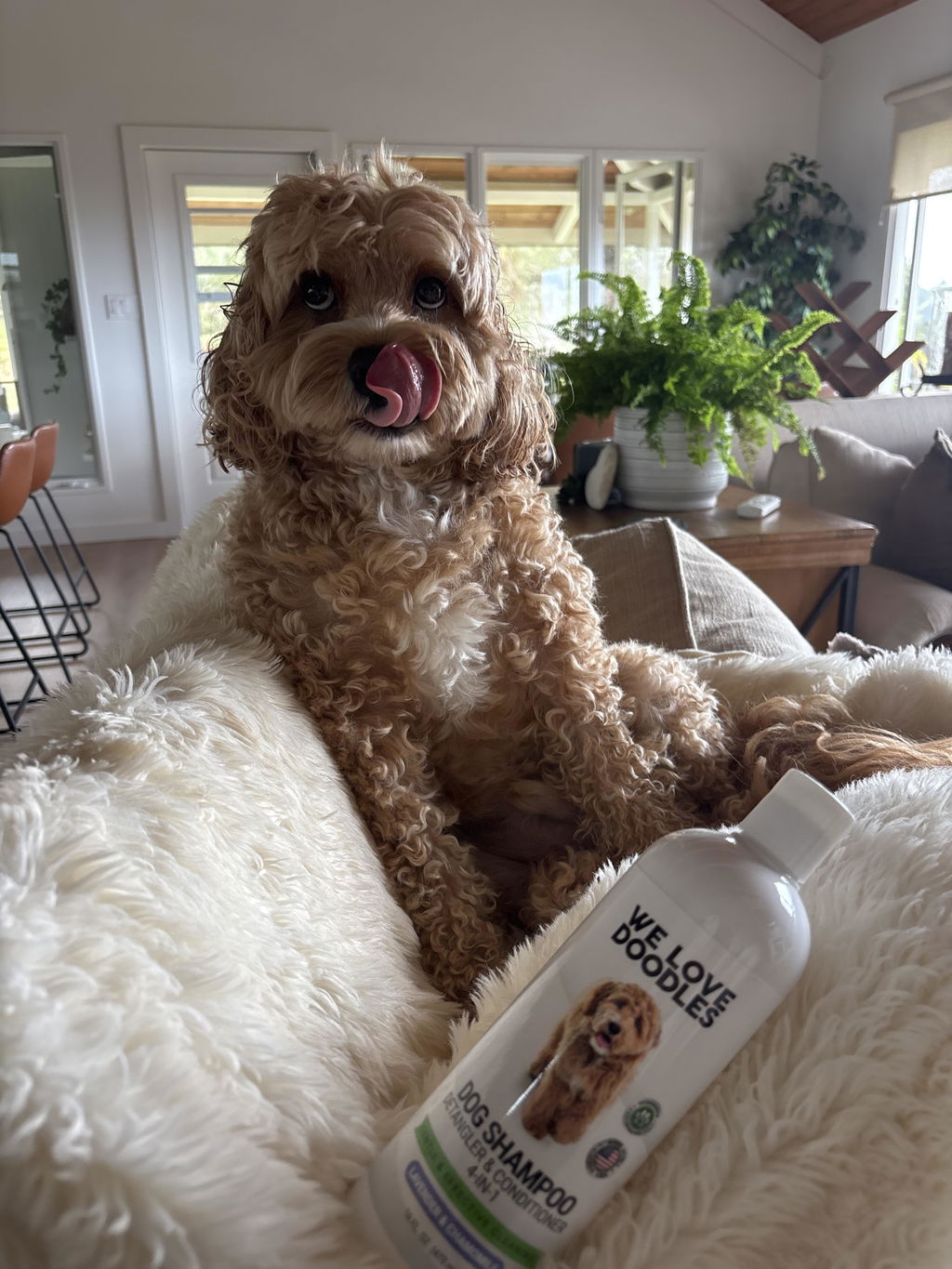
If your dog is constantly scratching, shedding more than usual, or developing flaky skin, you might be surprised to learn that the problem isn’t always diet or allergies. It could be your grooming habits.
Many well-meaning pet owners bathe their dogs regularly, even use what they think are “gentle” products, yet still deal with irritated or dull coats. The truth is, small grooming mistakes can quietly damage your dog’s skin barrier over time and that’s where most pet parents go wrong.
In this article, we’ll uncover the most common grooming mistakes you might be making at home, explain why your dog’s coat type matters, and show you how to restore your pet’s healthy, shiny skin with the right approach.
What Are the Most Common Dog Grooming Mistakes to Avoid at Home?
Even if you consider yourself a responsible pet parent, you may be unintentionally making some of these grooming mistakes that lead to dry skin, excessive shedding, or even long-term irritation.
Let’s go over the biggest culprits and how to fix them.
1. Using Human Shampoo on Dogs
This is by far one of the most common and most harmful grooming mistakes.
According to the American Kennel Club (AKC), human shampoos are designed for a different pH balance. Human skin typically has a pH between 4.5 and 5.5 (acidic), while a dog’s skin sits closer to neutral, around 6.5 to 7.5. Using human shampoo, even baby shampoo, can strip away your dog’s natural oils and weaken their skin barrier.
That leads to:
-
Itchy, flaky skin
-
Overproduction of oils (which worsens odor)
-
Dull or brittle fur
-
Increased risk of infection
Instead, use products formulated specifically for canine skin like a dog shampoo for sensitive skin that’s pH-balanced, hypoallergenic, and free from harsh sulfates.
💡 Pro tip: Always follow up with a moisturizing conditioner from our Dog Shampoo and Conditioner Collection to restore hydration and softness.
2. Bathing Too Frequently — or Not Enough
It’s easy to assume “the cleaner, the better,” but that’s not how dog skin works.
Based on PetMD, overbathing removes the protective layer of oils that keeps your dog’s skin moisturized. This leads to dryness, itching, and more shedding. On the flip side, infrequent baths can cause buildup of dirt and bacteria that irritate your dog’s coat.
Ideal bath frequency:
-
Short-haired breeds: Once every 6–8 weeks
-
Double-coated breeds (e.g., Golden Retrievers): Every 4–6 weeks
-
Curly or doodle coats: Every 3–4 weeks (with proper brushing)
If your dog sheds heavily, use a dog shampoo for shedding or dog shampoo for deshedding to control loose fur while maintaining natural oils.
Tested by pet owners: Many doodle owners reported softer, easier-to-brush coats after switching to a deshedding formula and reducing bath frequency.
3. Skipping Pre-Bath Brushing
Brushing before bathing is one of the most overlooked grooming steps but it makes all the difference.
If you bathe your dog with tangled or matted fur, water traps dirt inside the mat, worsening the buildup and causing skin irritation.
Especially for doodles and long-haired breeds, pre-bath brushing:
-
Removes loose fur and dander
-
Helps the shampoo reach the skin evenly
-
Reduces post-bath shedding
For curly coats, pair pre-bath brushing with a dog shampoo for doodle coats that gently detangles while cleansing.
4. Not Rinsing Shampoo Thoroughly
You might think a quick rinse is enough — but leftover shampoo residue is a leading cause of post-bath itching.
According to PetMD, leftover product can clog pores and dry out the skin, causing dandruff-like flakes and even yeast infections.
To prevent this:
-
Rinse your dog for at least 2–3 minutes after shampooing
-
Pay extra attention to the chest, underarms, and belly
-
Finish with cool water to close the pores
5. DIY and Homemade Dog Shampoos: Are They Safe?
Many pet owners prefer homemade solutions to control ingredients — and while homemade dog shampoo or homemade puppy shampoo recipes may seem natural, they can do more harm than good if not balanced correctly.
Common mistakes:
-
Using too much baking soda or vinegar (can alter pH)
-
Essential oils like tea tree or peppermint (toxic to dogs)
-
Lack of moisturizing agents like aloe or oatmeal
If you prefer a natural route, it’s better to use a professionally formulated dog shampoo for dry skin or dog shampoo for sensitive skin made with safe, plant-based ingredients.
🧴 Real user experience: One pet owner who used a DIY oatmeal mix saw more flakes after a few baths — after switching to our oatmeal-based formula, their dog’s coat regained shine and softness within two weeks.
Case Study: When a Golden Retriever’s Shedding Became a Skin Problem
Meet Max, a 4-year-old Golden Retriever who was bathed weekly using a “gentle” human shampoo. His owner noticed that while Max smelled fresh, his coat became dull, and clumps of fur started shedding around the house.

After consulting their vet, they discovered Max’s skin barrier was stripped from overbathing and the wrong pH shampoo. They switched to a moisturizing dog shampoo for deshedding and bathed him only every 4 weeks.
Within 14 days, Max’s skin began to heal. Shedding decreased by nearly 40%, and his coat regained a glossy texture.
“According to PetMD, using a deshedding shampoo with omega oils can visibly reduce coat loss and irritation caused by dryness.”
This story isn’t unique — countless pet owners see real improvement simply by correcting their shampoo and grooming routine.
Why Your Dog’s Coat Type Determines the Right Shampoo
Every dog has unique grooming needs and choosing the wrong shampoo for your pet’s coat type can worsen their skin issues.
Here’s a quick guide:
| Coat Type | Common Problem | Best Solution |
|---|---|---|
| Short-haired (Beagle, Pug) | Dry skin, odor buildup | Use a moisturizing dog shampoo for dry skin |
| Curly or Doodle (Goldendoodle, Labradoodle) | Tangling, dull fur | Try dog shampoo for doodle coats + conditioner |
| Double-coated (Retriever, Husky) | Excess shedding | Use a dog shampoo for deshedding and brush before bath |
| Sensitive skin breeds (Bulldog, Chihuahua) | Redness, flaking | Use dog shampoo for sensitive skin |
If you’re not sure what your dog’s coat needs, check out our next guide:
👉 How to Choose the Right Dog Shampoo for Your Pet’s Skin and Coat Type
That article dives deeper into coat-specific care and the science behind matching shampoo ingredients to your dog’s natural oils.
How Improper Grooming Affects Your Dog’s Skin Long-Term
Neglecting proper grooming may not show immediate damage, but over time, it can cause chronic skin issues.
According to the American Kennel Club (AKC):
Poor grooming habits can lead to “persistent itching, bacterial infections, and coat dullness that can take months to repair.”
Long-term issues include:
-
Dermatitis (itchy, inflamed skin)
-
Hotspots from scratching and licking
-
Yeast overgrowth due to trapped moisture
-
Dull, brittle hair that breaks easily
Before and After (Typical Results):
-
Before: Rough coat, constant shedding, dandruff, odor.
-
After: Softer, shinier coat, less shedding, balanced skin moisture.
That transformation often comes from one simple switch — the right shampoo.
Explore our full Dog Shampoo and Conditioner Collection — every formula is pH-balanced, vet-approved, and tested by pet owners like you.
Expert and Pet Owner Insights: What Really Works
Tested by Pet Owners
-
“After switching from a homemade puppy shampoo to the sensitive skin formula, my dog’s dandruff disappeared in just two washes.”
-
“Our Goldendoodle used to hate baths — now with the doodle shampoo and conditioner, her fur feels like velvet and brushing is easier.”
Expert Advice
AKC and PetMD both recommend:
-
Always brushing before and after baths
-
Using lukewarm water (never hot)
-
Rinsing thoroughly to remove residue
-
Following with a conditioner for best results
These small details make grooming more comfortable and effective especially for dogs prone to shedding or dryness.
Final Thoughts: The Small Changes That Make a Big Difference
Many pet owners think skin problems are just “part of owning a dog,” but most are preventable with the right grooming habits.
By avoiding common mistakes like using human shampoo, skipping brushing, or overbathing, you can dramatically improve your dog’s comfort, coat shine, and skin health.
If your pup is scratching, shedding, or flaking, it’s not too late to make a change. Start by using gentle, pH-balanced products designed for your dog’s specific coat and skin needs.
And once you’re ready to go deeper, learn how to choose the perfect match for your pet in our next article:
👉 How to Choose the Right Dog Shampoo for Your Pet’s Skin and Coat Type